
Opium The Longest Hangover

We look forward to embarking on a new journey over the next several weeks, with a chapter each week from the new book, Opium the Longest Hangover. The proceeds from the book and launch events will be donated to the SAF Foundation, which is working tirelessly to find a long term and sustainable solution to the hangover.
Introduction
A deep inhalation from the long wooden pipe, taken whilst lying down, gives rise to the most wonderous sensation. It starts with your feet feeling weightless, with the rest of the body soon following suit, evading all forms of gravity. Invariably dressed in Mandarin robes, covering a wasting body that is slowly turning into a corpse, the smoker takes one long inhalation, filling their lungs and slowly exhales through their nose. The opium smoker always lies down and places a little opium the size of a pea in the hole of the chamber leading to the pipe, which is gently lit. Once the pipe burns out and the fumes are dissipating, the smoker lies flat, listless, until they can repeat the process. Depending on their addiction, their body will crave the next hit, tears will stream from their eyes, with cold chills to their body, bouts of diarrhoea, and soon the inability to function at all.
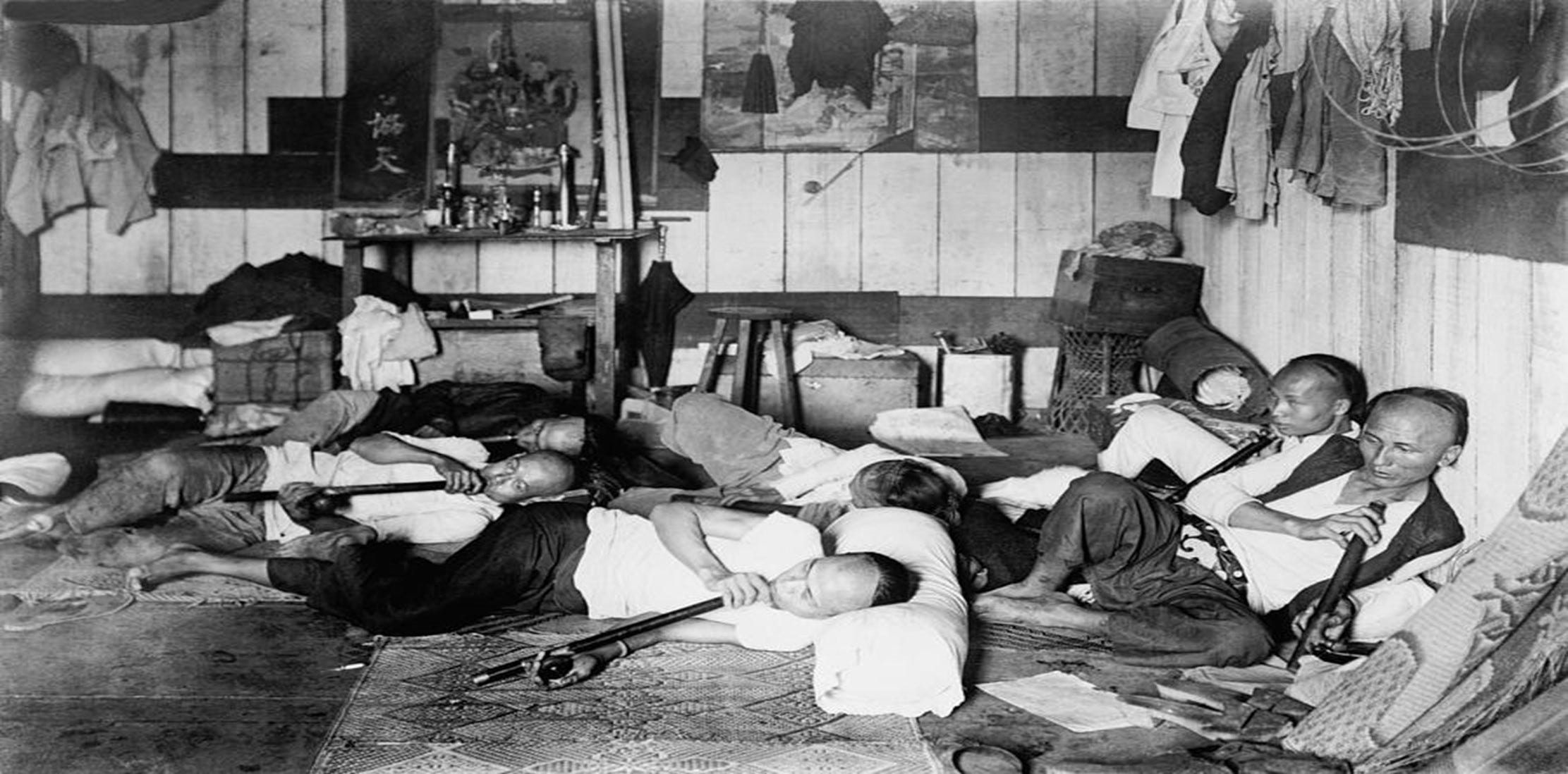
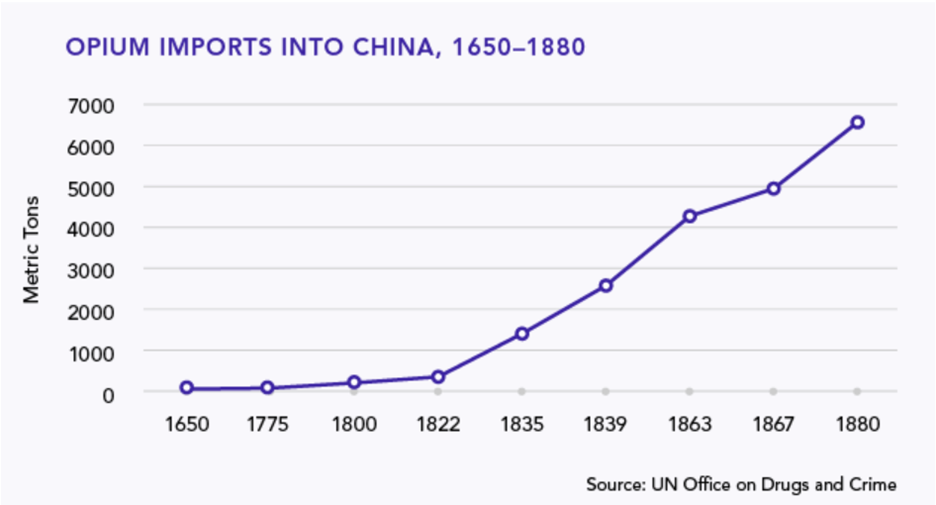
This scene was neither isolated nor temporary, but rather was taking place across cities, towns and even rural parts of China and Southeast Asia. Whilst the wealthy were able to consume and smoke in the privacy of their chambers, the wide prevalence of the drug meant that opium dens were opened throughout the country. They provided a home to millions of corpse-like figures lying on the ground and temporarily leaving this world for the next, both figuratively and physically. A smoker who commenced the habit at the age of 20 was generally expected to be dead by the age of 30. Unlike a pandemic or war that may last a few years, this horrible episode in history lasted for the best part of 150 years and completely changed the face of the most populous country in the world, China.
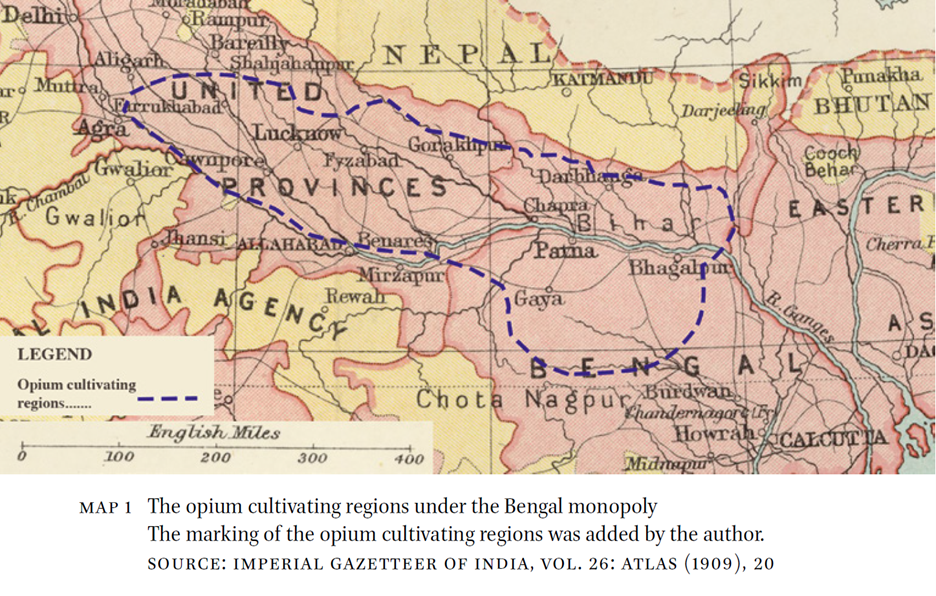
The opium was grown for a thousand kilometres from Benares in the west to Calcutta in the east, fields alongside the Ganges were laden with white poppy flowers, which would be harvested in the winter months. Emaciated farmers, who had grown vegetables and cereals to sustain their families on this fertile river basin, were forced to change course for many generations. During this time, as their eastern neighbour experienced devastation through the poison that was thrust upon them, a similarly horrific experience occurred on the Gangetic plains for those involved in growing the poison. Millions died through starvation; others were forced to flee to far-flung parts of the world as indentured labourers, and the societal scars can still very much be felt today. Perhaps nowhere more so than my home state of Bihar.
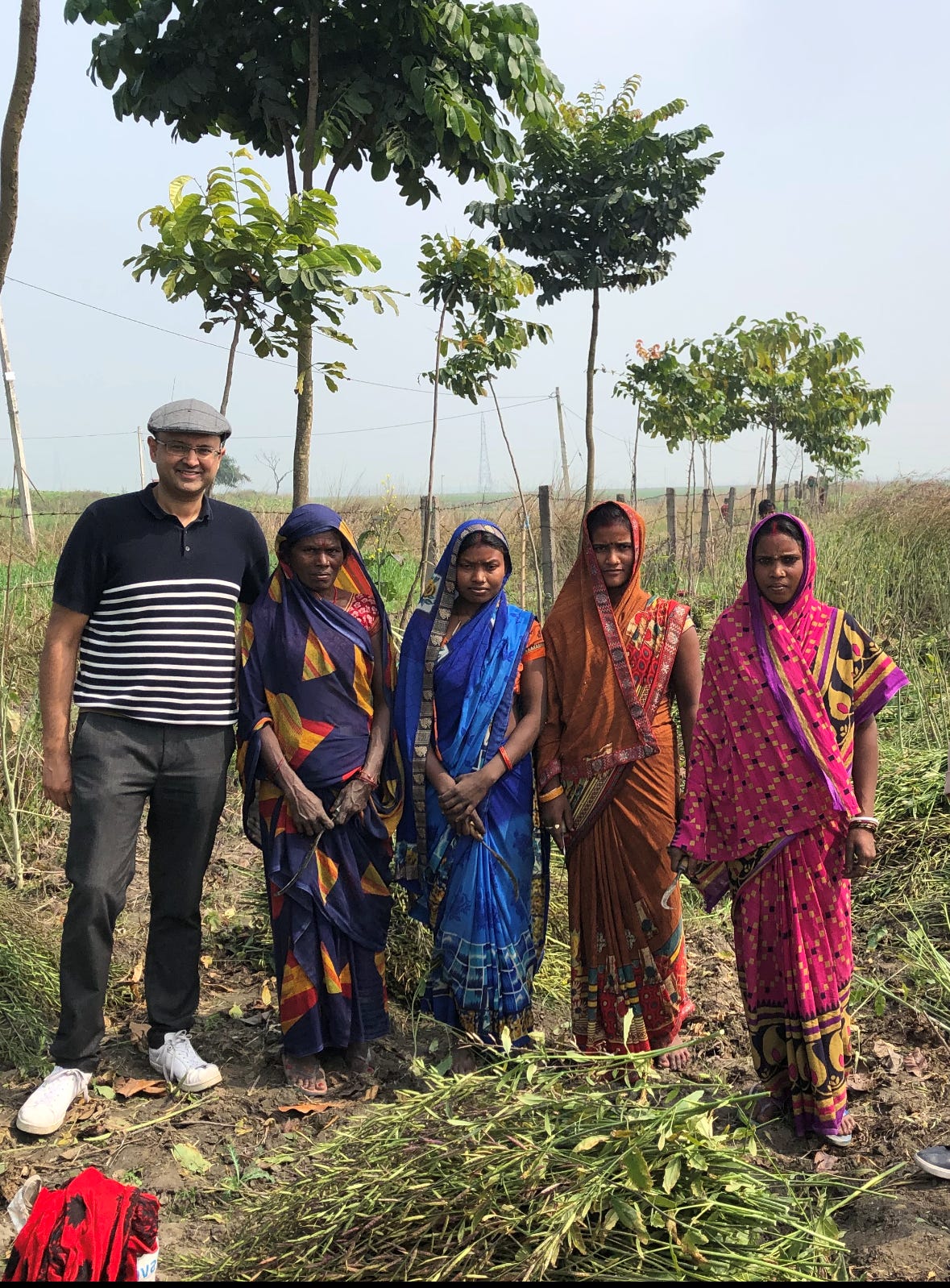
My family farm is located to the north of the River Ganges, near Patna, the capital of the most impoverished state in India, Bihar. Home to over a hundred million people, the state is infamous for all of the wrong reasons: poverty, violence and lawlessness. In the 40 years that I have been visiting the farm, so much has changed in the world around it and indeed across the country, but much less so in the villages. The mentality, societal structure and way of life seem trapped in the 19th century, despite the advent of the Internet and mobile phones.
If civil society was broken during the couple of hundred years when Bihar became the narcotic capital of the world, it is likely to take a long time to rebuild it. I am so pleased to partner on this project with local charities, whose work in building civil society at a grassroots level is exactly what is needed as part of this healing process.
In this book, we look to explore, not so much the fabulous wealth that was created through the opium trade, nor the wars and battles that occurred along the Chinese coast, but rather the impact on the millions of farmers and their families that were forced to cultivate this awful crop. Strangely, this story, although so well recorded in the many archives that are available in the British library, has been somewhat muted, discussion halted, and even my own family members living in India are completely unaware that our family farm was once more prolific than most parts of Latin America are today in spreading narcotics around the world.
Looking forward to reading it :)
I've started reading the full book, Amit! It’s a very unique take on the subject so far. Really looking forward to adding my comments here in your community.